Understanding Female Cannabis Genetics
The evolution of cannabis cultivation has brought about significant advancements in breeding techniques, particularly with the rise of feminized cannabis seeds. These seeds have become a preferred choice for both novice and experienced growers, as they promise to streamline the growing process by eliminating male plants that do not produce the coveted flowers. Feminized seeds allow cultivators to maximize their yields and ensure that their growing spaces are filled with productive female plants. When exploring options, female cannabis genetics provides comprehensive insights into selecting the best strains based on individual growing needs and preferences.
What are Feminized Cannabis Seeds?
Feminized cannabis seeds are specially bred to produce predominantly female plants, which are the ones that generate flowers rich in cannabinoids such as THC and CBD. Unlike regular seeds, which have about a 50% chance of developing into male plants, feminized seeds aim to ensure that nearly all the plants will be female. This is achieved through specific breeding techniques that often involve stressing a female plant to produce pollen, which is then used to fertilize another female plant.
The Science Behind Feminization
The process of feminization primarily relies on the XX/XY sex chromosome system common in cannabis. Male cannabis plants possess one X and one Y chromosome (XY), while female plants have two X chromosomes (XX). By inducing a female plant to produce pollen, breeders eliminate the male chromosome, thereby significantly increasing the likelihood of female offspring. This technique not only saves growers time and resources but also enhances the efficiency of their cultivation efforts, as they can focus on nurturing only the productive plants.
Benefits of Choosing Feminized Genetics
- Higher Yield Potential: By eliminating male plants, growers can maximize their yields since all the plants can be cultivated for flowers.
- Predictable Growth: Feminized seeds allow for more accurate planning regarding plant counts and flowering space.
- Variety of Choices: Modern breeding has led to a wide array of feminized strains with varying THC/CBD ratios, flavors, and growth patterns.
- Ease of Cultivation: Feminized seeds simplify the cultivation process, making it more accessible to novice growers who may struggle with sex identification.
Choosing the Right Feminized Strains
The selection of feminized cannabis seeds can greatly impact your growing experience and final yield. Understanding the different strain profiles and their suitability for specific growing conditions is essential.
Top Strains for Indoor Cultivation
When growing indoors, space and light availability are crucial factors. Strains like Royal Gorilla and Cinderella are well-suited for indoor environments due to their compact growth and high yield potential. These strains generally respond well to various indoor techniques, including hydroponics and SCROG (Screen of Green).
Best Outdoor Feminized Seeds
Outdoor growers should consider strains that can withstand natural elements and utilize sunlight efficiently. Varieties like Blue Lobster and Grape Runtz are known for their resilience and ability to flourish in varying climates, providing robust yields under the sun’s nurturing rays.
High-THC vs. CBD Feminized Options
The choice between THC and CBD strains revolves around personal preferences and health considerations. High-THC strains like Pink Banana Runtz are favored for recreational users seeking potent effects, whereas CBD strains, such as Purplematic CBD, cater to those interested in therapeutic benefits without the psychoactive effects.
Growing Techniques for Feminized Plants
Once you have selected your feminized seeds, understanding the best growing techniques is vital for a successful harvest. Here are key considerations to maintain healthy plants throughout their lifecycle.
Soil and Nutrient Requirements
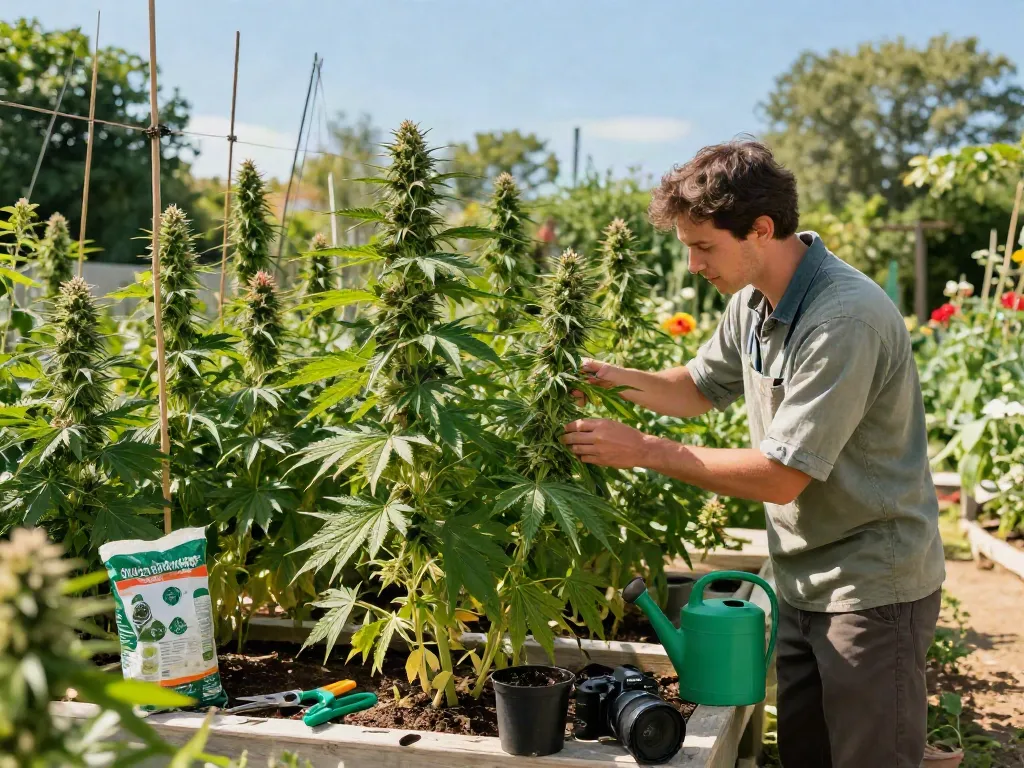
The foundation of any successful cannabis crop starts with quality soil. Feminized plants thrive in well-draining, nutrient-rich soil. A mix of organic matter, such as compost, and essential nutrients like nitrogen, phosphorus, and potassium is crucial. Regular soil testing can help maintain optimal pH levels, typically in the range of 6.0 to 6.8 for cannabis.
Watering and Light Conditions
Watering practices vary based on the growth stage of the plants. Seedlings require less water than mature plants. It's important to monitor soil moisture and avoid overwatering, which can lead to root rot. For light, feminized cannabis plants generally require 18 hours of light during the vegetative stage and 12 hours during flowering. LED and HPS lights are popular choices among indoor growers for their efficiency and effectiveness.
Common Pitfalls and How to Avoid Them
Some common pitfalls include nutrient burn from over-fertilization, pest infestations, and inadequate lighting. To avoid these issues, always start with smaller nutrient doses and gradually increase, monitor for any signs of pests regularly, and ensure that your lighting setup is appropriate for the growth stage of your plants.
Harvesting and Curing Feminized Cannabis
Successful harvesting and curing of feminized cannabis are critical steps in ensuring high-quality final products. Timing and technique matter greatly in this process.
Timing Your Harvest for Maximum Potency
The ideal harvest time depends on the trichome development on the buds. Harvesting should occur when most trichomes are cloudy, with some turning amber, indicating peak cannabinoid levels. This typically occurs around 7-14 days after the majority of the pistils have turned brown.
Techniques for Curing Feminized Buds
Curing is essential to enhance flavor and potency. After drying the buds in a dark, cool environment, transfer them into airtight jars, filling them only about 75% full to allow for air circulation. Open the jars daily to release excess moisture during the first couple of weeks, then less frequently over the next month.
Storing Feminized Cannabis Properly
To maintain the quality of your cured buds, store them in a cool, dark place, ideally between 60°F to 70°F. Keep them in moisture-resistant containers to protect against mold and preserve the terpenes that contribute to flavor and aroma.
Future Trends in Female Cannabis Genetics
The field of cannabis breeding is ever-evolving, and several trends are shaping the future of female cannabis genetics.
Innovations in Breeding Techniques
New breeding techniques such as CRISPR and advanced hybridization are being explored to create strains with specific traits, including higher yields and resilience to environmental stressors. These innovations may lead to the development of feminized strains with unique cannabinoid profiles and enhanced disease resistance.
Predictions for the Market in 2026
As the cannabis market continues to expand, the demand for feminized strains is expected to rise, driven by both recreational and medicinal consumers. With a growing interest in personal cultivation, the market for quality feminized seeds will likely see increased competition and diversification in strain offerings.
Legal Considerations and Regulations
As legalization spreads, it is crucial for growers to stay informed about local laws regarding cannabis cultivation. Regulations can vary widely, impacting where and how feminized seeds can be sold and used. Understanding these legal frameworks ensures that growers can cultivate within the bounds of the law.
How to tell a male from a female cannabis?
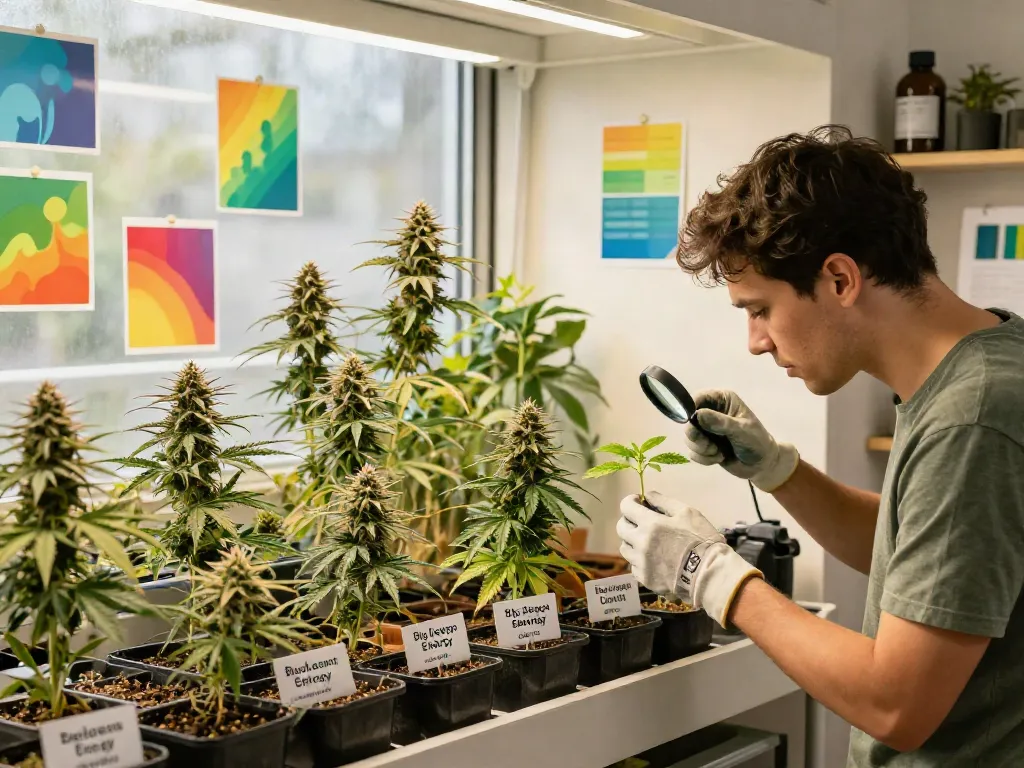
Identifying the gender of cannabis plants is crucial for growers. Female plants typically develop small, white hair-like structures called pistils, while male plants produce clusters of pollen sacs. These characteristics usually appear during the pre-flowering stage, approximately 4-6 weeks after germination.
How do I feminize my seeds?
To feminize seeds, breeders can stress a female plant through techniques such as light deprivation or chemical treatments, prompting it to produce pollen. This pollen is then used to fertilize another female, resulting in feminized seeds. However, this process requires a thorough understanding of cannabis genetics and careful execution to avoid introducing hermaphroditic traits.
Can you still smoke buds that have turned hermaphrodite?
While hermaphrodite plants—those that develop both male and female traits—can produce smokeable buds, they may contain seeds and less desirable traits. It is usually recommended to avoid these plants due to the potential for lower quality and reduced potency.
How to tell if your female plant has been pollinated?
After pollination, female plants will begin to produce seeds, and you may notice the development of seed pods where the flowers used to be. Additionally, the number of pistils may decrease as they become fertilized. For best results, growers should keep male plants away from females to prevent unwanted pollination unless breeding is the goal.
Best practices for indoor feminized seed cultivation?
To achieve optimal results with indoor feminized seed cultivation, ensure adequate lighting, maintain proper humidity levels, provide essential nutrients, and regularly check for pests. Moreover, practicing methods such as LST (Low-Stress Training) can help maximize yield by optimizing light penetration.