
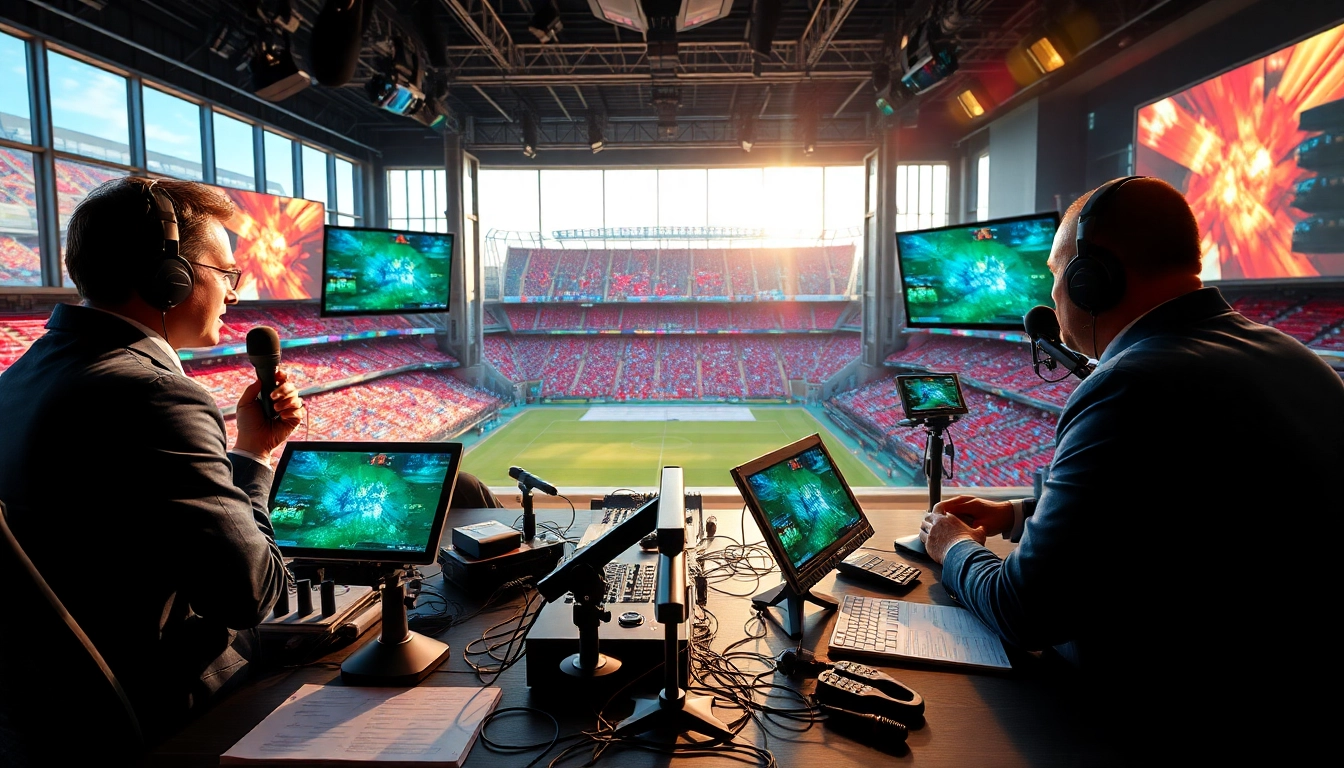
Understanding the Landscape of Sports Broadcasting
Sports broadcasting has evolved significantly over the years, transforming how audiences engage with their favorite games and events. This informative piece delves deeply into the dynamics of Sports Broadcasting, analyzing its evolution, platforms, trends, best practices, and future directions. By understanding this landscape, industry professionals and enthusiasts alike can glean insights that enhance their broadcasts and viewer engagement strategies.
The Evolution of Sports Broadcasting
The journey of sports broadcasting began with simple radio broadcasts, providing fans with audio coverage of games. The introduction of television revolutionized this field, allowing for live visual experiences that brought sports directly into homes across the nation. As technology advanced, so did the methods of broadcasting sports. The rise of satellite and cable television in the 1980s and 1990s facilitated the ability to reach wider audiences, introducing dedicated sports channels that showcased a variety of events around the clock.
In recent years, the proliferation of the internet and mobile technology has further transformed sports broadcasting. Online streaming platforms emerged as strong contenders to traditional media, offering interactive experiences and on-demand viewing. This shift has not only changed how content is consumed but has also created new revenue streams through digital subscriptions, advertising, and pay-per-view models.
Key Platforms for Sports Broadcasting
Today, sports broadcasting operates across a myriad of platforms, each offering unique advantages:
- Television: Traditional networks still dominate, providing widespread access to major sports events with high production values.
- Streaming Services: Platforms like Hulu Live, ESPN+, and others allow viewers to watch events live or on-demand, often accompanied by customizable features.
- Social Media: Sites like Facebook, Twitter, and Instagram are becoming essential for live updates and lower-stakes broadcasts, as they foster real-time fan engagement.
- Podcasts and Radio: These mediums are offering alternative commentary and analysis, creating niche communities around specific sports topics.
Trends Shaping the Future of Sports Broadcasting
The future of sports broadcasting will undoubtedly be shaped by several emerging trends:
- Increased Interactivity: Audiences crave participation; live polls, Q&As, and immersive experiences are becoming standard in broadcasts.
- Data-Driven Insights: The use of analytics in broadcasts, such as player stats overlay and performance analytics, enhances viewer understanding.
- Augmented Reality (AR) and Virtual Reality (VR): These technologies are beginning to create immersive experiences that transport viewers right into the heart of the action.
- Personalized Content: AI-driven recommendations will curate content tailored to viewer preferences, leading to greater engagement and satisfaction.
Best Practices in Sports Broadcasting
Crucial Elements for a Successful Broadcast
To achieve successful sports broadcasts, several key elements must not be overlooked:
- Quality Production: High-definition video and clear audio are essential—poor quality could turn off viewers.
- Engaging Commentary: Knowledgeable and enthusiastic commentators can significantly enhance the viewing experience by providing insights, context, and personality.
- Viewer Interaction: Encouraging audience participation through social media or app involvement creates a sense of community and keeps viewers engaged.
- Comprehensive Coverage: Providing coverage not only of the event but surrounding elements such as player backgrounds, statistics, and team histories adds value.
Avoiding Common Mistakes in Sports Broadcasting
While striving for success, broadcasters must also avoid common pitfalls that can detract from viewer experience:
- Neglecting Audience Feedback: Ignoring viewer comments and suggestions can lead to disconnection. Gather audience insights to continually refine broadcasts.
- Lack of Consistency: Shifting formats, inconsistent scheduling, and production quality can confuse and alienate viewers.
- Poor Planning: Failure to prepare adequately for live events can lead to embarrassing mistakes and operational difficulties during broadcasts.
- Overload of Information: Striking a balance between providing rich details and not overwhelming the audience is essential to maintain engagement.
Engagement Strategies for Audiences
Maximizing audience engagement necessitates innovative approaches:
- Interactive Elements: Incorporating live polls and real-time commentary through social media channels fosters trust and connection with viewers.
- Storytelling: Building narratives around games, teams, and players encourages emotional investment from viewers.
- Exclusive Content: Behind-the-scenes footage, interviews, and previews keep audiences craving more and enhance loyalty.
- Gamification: Integrating contests or prediction games allows fans to engage actively, whether through fantasy leagues or interactive apps.
Technology Essentials for Sports Broadcasting
Equipment Needed for High-Quality Productions
Investing in the right equipment is fundamental for broadcasters aiming for high-quality productions:
- Cameras: High-definition cameras capable of capturing dynamic movement and environments are essential for maintaining visual clarity.
- Microphones: Quality audio is often more critical than video quality; lavalier, shotgun, and boom mics must be utilized to achieve desired sound.
- Switchers and Mixers: These tools help in managing multiple feeds and allows for seamless transitions between cameras, ensuring smooth broadcasts.
- Graphics and Replay Systems: Engaging graphics and instant replay capabilities are crucial for enhancing viewer experience and understanding.
Incorporating Graphics and Animations
Visual elements are integral to captivating sports broadcasts. Effective use of graphics and animations can:
- Enhance Communication: Infographics can visually convey statistics and data in a digestible format.
- Strengthen Branding: Custom graphics reflecting team colors and logos can elevate the broadcast's brand identity.
- Provide Context: Animated segments can help explain complex plays or strategies, aiding viewer comprehension.
Advancements in Streaming Technology
The rise of streaming technology has led to exciting advancements in sports broadcasting:
- Low Latency Streaming: Reducing the time between live events and viewer streaming enhances the experience, allowing fans to experience the action in real-time.
- Adaptive Bitrate Streaming: This technology ensures an optimal viewing experience by automatically adjusting video quality based on the user’s bandwidth.
- Integration of AI: AI tools can assist in determining viewer preferences, optimizing content delivery, and even producing highlights based on engagement analytics.
Case Studies in Sports Broadcasting
Successful Sports Broadcasting Campaigns
Exploring notable cases of successful sports broadcasting can unveil best practices and innovative approaches:
- Collaboration with Influencers: Engaging popular social media personalities to host segments has attracted younger audiences and increased visibility.
- Multi-Platform Distribution: Successful campaigns often utilize simultaneous broadcasts across television, streaming services, and social media to maximize reach.
- Interactive Viewing: Implementing features allowing viewers to control angles or access additional statistics during broadcasts has proven attractive.
Lessons Learned from Major Events
Major sporting events like the Super Bowl or World Cup often provide valuable lessons for broadcasters:
- Preparation is Key: Major events require exhaustive planning, rehearsal, and backup systems to succeed, ensuring all possible complications are addressed.
- Real-Time Communication: A well-prepared communication strategy among team members leads to smoother production and real-time decision-making.
- Global Consideration: Directing broadcasts with a global audience in mind ensures content is both relevant and accessible to the international viewership.
Analysis of Audience Reactions and Feedback
Understanding audience reception is essential for continual improvement in broadcasting:
- Surveys and Feedback Forms: Actively soliciting feedback allows broadcasters to identify strengths and weaknesses in their programming.
- Engagement Metrics: Analyzing viewer engagement through social media activity, viewer ratings, and online conversation trends offers insights into audience preferences.
- Social Listening Tools: Using technology to track audience sentiment on various platforms can guide content adjustments and enhance viewer satisfaction.
The Future of Sports Broadcasting
Emerging Trends in Viewer Behavior
As technology evolves, so does viewer behavior and expectations:
- Binge Viewing: Similar to scripted shows, viewers now desire access to replays or retrospective content as part of their sports viewing.
- Increased Community Engagement: Fans desire interaction both with broadcasts and among one another, driving demand for new engagement platforms.
- Requesting More Accessibility: There is growing demand for inclusive broadcast options, including multi-lingual commentary and accessible viewing formats for disabled fans.
Potential Challenges Ahead for Sports Broadcasting
Despite advancements, numerous challenges still loom over the sports broadcasting sector:
- Content Piracy: The rise of illegal streaming poses risks to traditional broadcast models and revenue streams.
- Fragmentation of Audiences: Viewers increasingly choose niche streams, making it critical for broadcasters to fetch them through targeted content strategies.
- Technology Dependence: With reliance on advanced technology comes risk; technical failures can severely disrupt live events and impact viewer loyalty.
Strategies for Adaptation and Growth
To navigate the future landscape successfully, broadcasters must be proactive:
- Investing in Innovation: Continuous investment in state-of-the-art technology and audience research is vital for growth and relevance.
- Partnerships with Digital Platforms: Collaborating with tech and media platforms ensures access to wider audiences and advanced delivery systems.
- Sustainability Practices: Emphasizing environmentally conscious practices can attract viewers who value such initiatives and improve brand reputation.
FAQs
What is Sports Broadcasting?
Sports broadcasting involves transmitting sports events on various media platforms, providing live updates and commentary to engaged audiences.
What technology is essential for Sports Broadcasting?
Key technology includes high-definition cameras, microphones, graphics software, and reliable streaming services to ensure a quality broadcast.
How can I improve audience engagement in Sports Broadcasting?
Engagement can be enhanced through interactive features, social media integration, and refreshing content that resonates with the audience's interests.
What are common mistakes in Sports Broadcasting?
Common mistakes include lack of proper planning, poor audio-visual quality, and not addressing audience feedback, which can all affect viewership.
What are the future trends in Sports Broadcasting?
Future trends include increased use of augmented reality, personalized viewing experiences, and the integration of artificial intelligence for content delivery.