Understanding High CBD Seeds
In the rapidly evolving landscape of cannabis cultivation, high CBD seeds have gained significant attention among both commercial growers and home cultivators. These seeds represent a unique opportunity to grow cannabis that is rich in cannabidiol (CBD), a compound renowned for its therapeutic properties. Unlike traditional THC-centric strains, high CBD seeds are bred specifically for their high cannabidiol content, offering a gentle and clear-headed experience for users. As interest in CBD continues to rise, understanding the intricacies of these seeds becomes paramount for anyone looking to cultivate their own plants.
What Are High CBD Seeds?
High CBD seeds are cannabis seeds that have been selectively bred to produce plants with elevated levels of cannabidiol. Unlike THC-dominant strains, which can produce psychoactive effects, high CBD strains are designed to offer a range of therapeutic benefits without the high typically associated with cannabis. These seeds can come in various forms, including feminized, regular, autoflowering, and photoperiod types, allowing growers to choose the best fit for their cultivation practices.
Benefits of Choosing High CBD Genetics
- Therapeutic Effects: High CBD varieties are praised for their potential benefits in managing pain, anxiety, inflammation, and various medical conditions.
- Lower Psychoactive Effects: Growers and consumers appreciate that high CBD seeds produce strains with minimal to no psychoactive effects, making them suitable for daytime use.
- Diverse Genetic Profiles: High CBD genetics come from a variety of breeding lines, allowing for unique flavors and effects, enabling growers to explore different aromatic profiles and cannabinoid combinations.
How Are They Different from THC-Dominant Seeds?
The primary distinction between high CBD seeds and THC-dominant seeds lies in their cannabinoid profiles. THC (tetrahydrocannabinol) is the main psychoactive compound in cannabis, while CBD (cannabidiol) is non-psychoactive and is primarily sought for its medicinal qualities. High CBD strains typically contain low levels of THC, often in ratios like 20:1 or even 30:1, offering therapeutic benefits without the high, making them a favorable choice for medical users and those hesitant about psychoactive effects.
Genetic Selection in CBD Seeds
Breeding high CBD cannabis involves a meticulous selection process, where breeders aim to create plants with desirable cannabinoid profiles. The selection process focuses on maintaining and enhancing the cannabidiol content while minimizing tetrahydrocannabinol levels. This targeted breeding not only ensures high-CBD yields but also contributes to the stability and predictability of the strains produced.
Breeding Techniques for CBD-Dominant Strains
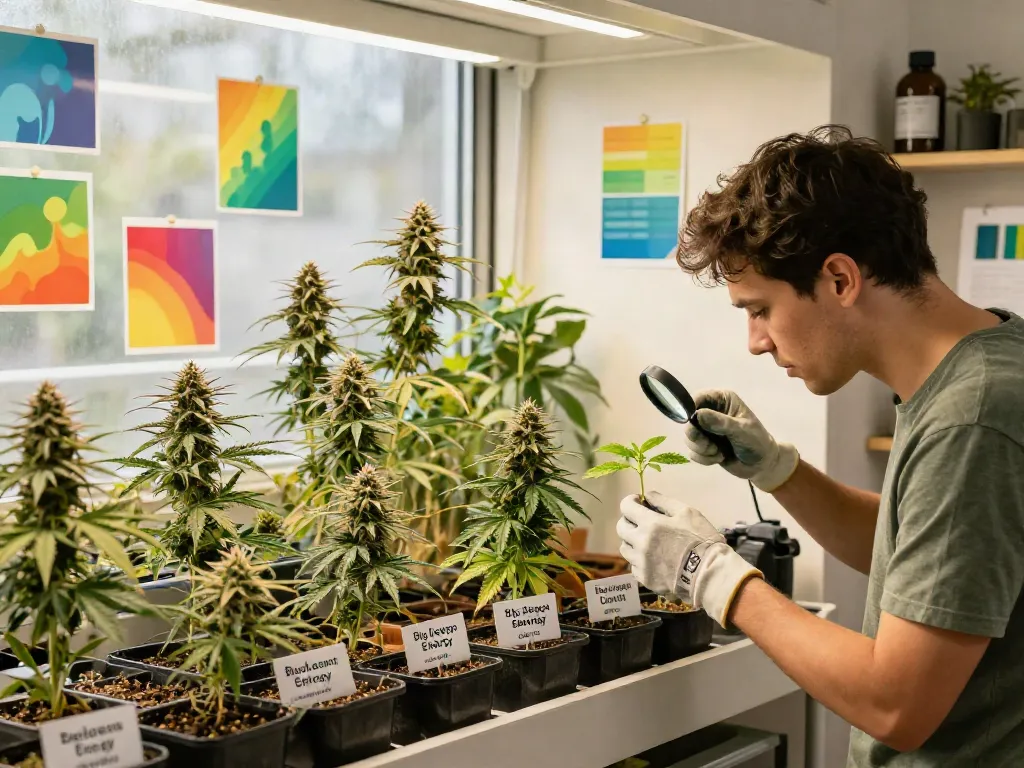
CBD-dominant strains often arise from hybridization and backcrossing techniques. Breeders begin by selecting parent plants known for their high CBD output through phenotype selection and testing. By crossing these selected plants with each other or with other strains known for their favorable traits, breeders can introduce and stabilize the desired cannabinoid profile across generations. This process requires careful monitoring to ensure consistency and quality, with many breeders also incorporating a scientific approach to the phenotyping process.
Understanding Cannabinoid Profiles
The cannabinoid profile of a cannabis plant is essential in understanding its potential impacts. High CBD seeds can produce a range of cannabinoid profiles depending on their genetic lineage. Breeders typically focus on stabilizing these profiles, which can vary significantly. Growers should examine the published cannabinoid profiles for expected CBD and THC levels, which can guide them in selecting appropriate strains for specific therapeutic goals.
What to Look for in Seed Quality
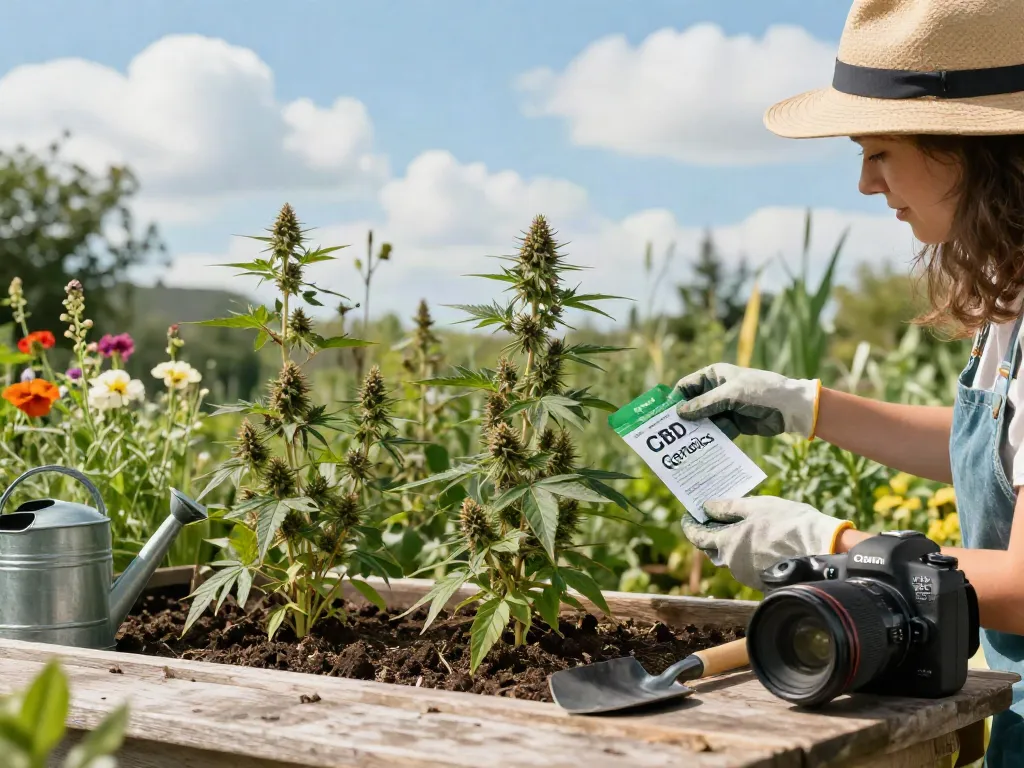
When selecting high CBD seeds, quality is paramount. Growers should consider several factors: the breeder's reputation, the genetic lineage, lab test results for cannabinoid profiles, and stability over generations. Seeds should be sourced from reputable suppliers who provide transparency about their breeding methodologies and testing. This guarantees not only the expected cannabinoid composition but also the health and vigor of the plants grown from these seeds.
Growing High CBD Seeds: Essential Techniques
Successfully cultivating high CBD seeds requires knowledge of the plant's unique needs. From environmental conditions to nutrient management, each factor plays a critical role in maximizing yield and cannabinoid content.
Ideal Conditions for High CBD Growth
High CBD cannabis typically thrives in a controlled environment with specific temperature and humidity levels. Ideal temperatures during the vegetative phase range from 70°F to 85°F, while the flowering phase prefers slightly cooler temperatures, around 65°F to 80°F. A humidity level of 40-60% is optimal during vegetative growth, decreasing to 30-50% during flowering to prevent mold and mildew. Monitoring these conditions closely can lead to healthier plants and an improved yield.
Indoor vs. Outdoor Growing Best Practices
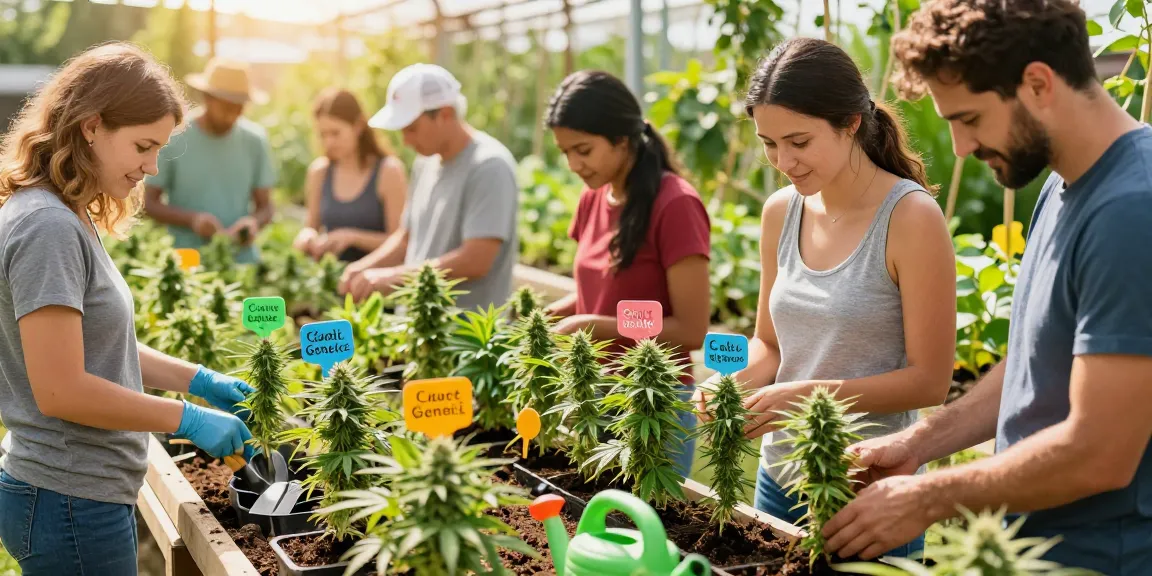
Growers must determine whether they want to cultivate their high CBD seeds indoors or outdoors. Indoor growing allows for greater control over environmental factors but requires careful planning for lighting, ventilation, and equipment investment. Outdoor cultivation benefits from natural sunlight and can produce larger plants, but success heavily relies on local climate conditions. Regardless of the method chosen, adhering to best practices of pest management, nutrient feeding, and training techniques is crucial to achieving optimal results.
Managing Light and Nutrients for Optimal Yield
Light management is critical in maximizing the growth of high CBD seeds. Indoor growers often use high-intensity discharge (HID) lights or light-emitting diodes (LEDs) to provide adequate lighting conditions. During the vegetative stage, a light schedule of 18 hours on and 6 hours off is common, while the flowering stage typically requires 12 hours of light and 12 hours of darkness. Furthermore, nutrient management tailored to stages of growth—using high nitrogen fertilizers during the vegetative phase and switching to phosphorus and potassium-based nutrients during flowering—can enhance yield and cannabinoid content.
Legal Considerations for CBD Cultivation
Understanding the legal landscape surrounding CBD cultivation is crucial for growers, especially given the varying regulations across different jurisdictions. Ensuring compliance with local laws can prevent legal complications and promote responsible growing practices.
Understanding Local Regulations on Cannabis Seeds
Before embarking on cultivating high CBD seeds, it is essential to research local laws regarding the legality of cannabis cultivation. In some regions, specific licenses may be required, and the legality may vary depending on the intended use (medical versus recreational). Staying informed and compliant with these regulations not only fosters sustainable farming practices but also aids in the broader acceptance and understanding of cannabis cultivation.
Compliance Tips for Growers
To ensure compliance, growers should maintain accurate records of their seeds’ origins, cultivation practices, and cannabinoid testing. Engaging with local regulatory bodies and seeking legal advice when necessary can provide clarity and ensure adherence to evolving legislation. Additionally, being informed about changes in laws related to cannabinoid cultivation can help growers remain compliant as regulations evolve.
Impact of Law Changes on High CBD Varieties
The legalization movement surrounding cannabis—including high CBD strains—continues to evolve. In 2026, growers should be aware of how legal adjustments might impact production, sales, and distribution of their crops. As businesses scale and regulations tighten or loosen, an adaptive approach is crucial for navigating the market and cultivating high-quality CBD strains effectively.
Frequently Asked Questions
What are the best practices for growing high CBD seeds?
Best practices include maintaining optimal environmental conditions, closely monitoring nutrient levels, and ensuring pest management through organic methods wherever possible. Regularly evaluating plant health and adjusting growing conditions will promote successful cultivation.
Can high CBD seeds produce THC-rich plants?
Yes, high CBD seeds can still produce plants with varying levels of THC, depending on the genetic makeup. It is crucial to review the strain’s cannabinoid profile when selecting seeds to ensure the desired outcome.
How do I choose the right CBD strain for my needs?
Choosing the right CBD strain involves understanding your specific health goals, desired effects, and the legal limitations of where you live. Consulting with knowledgeable sources and reviewing strain profiles can help you make informed decisions.
Are there any health benefits to high CBD seeds?
Yes, high CBD seeds can produce plants that are used for managing numerous health conditions, including anxiety, chronic pain, inflammation, and more. However, it is important to consult health professionals for personalized advice.
What is the future of CBD genetics in 2026?
The future of CBD genetics looks promising with advancements in breeding techniques, a growing understanding of cannabinoid interactions, and increasing consumer demand for high CBD products. As regulations evolve, the market is expected to expand and diversify, leading to more innovative strains and products in the coming years.