
What is CBD: Comprehensive Introduction
Cannabidiol, commonly known as CBD, is a naturally occurring compound found in the resinous flowers of cannabis and hemp plants. As part of a broader group of compounds known as cannabinoids, CBD has gained significant attention for its potential therapeutic benefits without imparting the psychoactive effects typically associated with THC, the more famous cannabinoid. Many people are turning to CBD products for various health concerns, tapping into ongoing research and increasing public interest.
Definition of CBD and Its Sources
The chemical structure of CBD is similar to other cannabinoids, but it stands out due to its non-psychoactive properties. CBD is primarily sourced from the hemp variety of Cannabis sativa, which contains low levels of THC (<0.3%). This distinction is crucial, as it allows consumers to utilize CBD without experiencing the ‘high’ associated with typical marijuana consumption. The extraction of CBD from hemp can be accomplished through various methods, including CO2 extraction, solvent extraction, and olive oil extraction, each boasting unique benefits concerning potency and purity.
The Science Behind CBD
At the core of CBD's effects is its interaction with the endocannabinoid system (ECS), a complex network of receptors and neurotransmitters that regulate various physiological processes. The ECS comprises two primary receptor types: CB1 and CB2. CB1 receptors are abundant in the brain and are primarily responsible for the psychoactive effects of cannabis; however, CBD indirectly influences these receptors. On the other hand, CB2 receptors exist throughout the body, especially in the immune system, and are linked to anti-inflammatory effects. Research suggests that CBD enhances the body's natural endocannabinoid levels, supporting overall health and wellness.
Legal Status and Regulations Surrounding CBD
The legal landscape for CBD in the United States is complex and, at times, ambiguous. The 2018 Farm Bill legalized hemp-derived CBD federally, as long as it contains less than 0.3% THC. However, restrictions vary at the state level, with some states imposing strict regulations on the sale and use of CBD products. Additionally, the FDA actively investigates CBD's safety and efficacy, particularly concerning food and dietary supplements. As consumers navigate this evolving legal terrain, it is essential to remain informed about local regulations governing CBD use.
Health Benefits of CBD: Research and Evidence
Extensive research into CBD has yielded promising results regarding its therapeutic applications. Below, we delve into its potential health benefits, grounded in scientific evidence.
How CBD Supports Mental Health
Several studies have explored CBD's potential effects on mental health disorders, particularly anxiety and depression. Preliminary findings indicate that CBD may help alleviate symptoms by interacting with serotonin receptors in the brain, which play a crucial role in mood regulation. For instance, a 2019 study highlighted that CBD reduced anxiety during public speaking, suggesting its efficacy in social anxiety situations. Furthermore, the anti-inflammatory properties of CBD might also contribute to its ability to emotionally stabilize users. Ongoing research continues to investigate optimal dosages and mechanisms of action for various anxiety-related conditions.
CBD's Role in Pain Relief and Management
Chronic pain management has emerged as one of CBD's most touted benefits. Research indicates that CBD may act as an anti-inflammatory agent, providing relief for conditions such as arthritis, neuropathy, and other pain syndromes. By interacting with endocannabinoid receptors, CBD can modulate pain perception and reduce inflammation. A review in the *European Journal of Pain* showed that CBD applied topically could significantly reduce pain and inflammation in animal models. As clinicians explore CBD as a pain management strategy, proper dosing and administration methods remain paramount to ensure effectiveness and safety.
Potential Benefits for Sleep Disorders
For individuals struggling with sleep disorders such as insomnia or sleep apnea, CBD may offer a natural alternative to pharmaceutical interventions. Some studies suggest that CBD can improve sleep quality by addressing the root causes of insomnia, including anxiety and chronic pain. In a recent study, participants who took CBD reported improved sleep patterns and a decrease in nocturnal awakenings. The overall calming effect of CBD on the nervous system may allow users to achieve more restorative sleep, thus enhancing overall health and vitality.
Usage Guidelines: How to Incorporate CBD Safely
For new users, navigating the world of CBD can be daunting. Understanding safe usage guidelines is crucial to harnessing its full potential while minimizing risks.
Recommended Dosages for Different Conditions
Finding the right dosage of CBD can be a highly individual process, influenced by factors such as body weight, metabolism, and the specific health concern being addressed. Generally, it is advisable to start with a low dose and gradually increase until the desired effect is achieved. A common starting point is 5-10 mg per day for anxiety, escalating to approximately 20-50 mg for pain relief. It is recommended to consult with healthcare professionals to tailor a dosing regimen that aligns with individual health needs.
Consulting with Healthcare Professionals
Before incorporating CBD into one’s health routine, consulting with a healthcare provider familiar with cannabis and CBD is advisable. This professional guidance is particularly critical for those taking medications that may interact with CBD, such as blood thinners. A healthcare provider can offer personalized advice on dosage, application methods, and potential side effects, thus facilitating a safe and effective CBD experience.
Side Effects and Contraindications of CBD
While CBD is generally considered safe, it is not without potential side effects. Commonly reported issues include dry mouth, fatigue, diarrhea, and changes in appetite. More severe side effects may occur, particularly with high doses or when used with other medications. Understanding these side effects is vital, especially for first-time users, to make informed decisions about incorporating CBD into their wellness routines.
Understanding CBD Products: Types and Selection
As the CBD market expands, consumers are faced with a wide array of product types, each catering to specific preferences and needs. Understanding these products is essential for effective use.
Overview of CBD Oil, Gummies, and Other Products
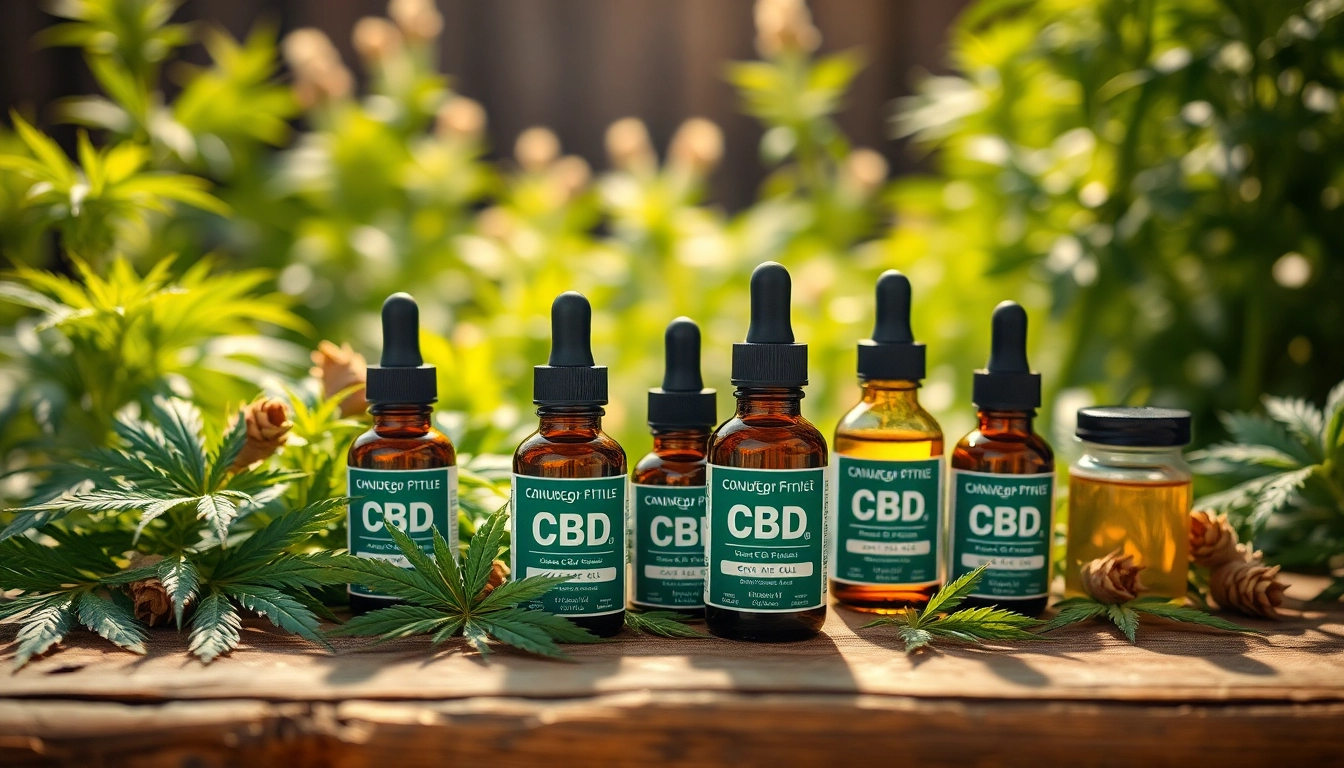
CBD products come in various forms, including oils, tinctures, capsules, edibles, and topicals. CBD oil, often taken sublingually, allows for rapid absorption and dosage flexibility. Gummies and edibles offer a convenient and discreet option, while topicals are ideal for localized pain management. Each form has its unique benefits and drawbacks, appealing to different consumer lifestyles and preferences.
How to Choose Quality CBD Products
Quality control is paramount when selecting CBD products. Consumers should seek products that provide third-party lab testing results, demonstrating potency and purity. Labels should clearly list ingredients and CBD concentrations, enabling users to make informed decisions. Additionally, opting for full-spectrum products, which contain multiple cannabinoids and terpenes, may enhance the therapeutic benefits through the entourage effect.
Understanding Lab Testing and Certifications
Lab testing serves as a critical assurance of product quality and safety. Reputable brands will have their products tested by independent laboratories, and they often make these results readily available to consumers. Test results should indicate cannabinoid profile, potency, and the presence of contaminants such as heavy metals, pesticides, and solvents. Consumers must familiarize themselves with reading lab reports, as this knowledge empowers them to choose high-quality CBD products.
Future Trends in CBD Research and Market
The CBD market is rapidly evolving, with ongoing research and consumer trends shaping its future landscape. Awareness of these trends can guide consumers and businesses alike.
Innovations in CBD Delivery Methods
Innovations in CBD delivery systems are paving the way for enhanced bioavailability and efficacy. Emerging products, including nano-emulsified CBD and transdermal patches, aim to increase absorption rates, thus maximizing therapeutic effects. As technology advances, consumers can expect a plethora of novel products designed for convenience and efficiency, allowing for personalized dosing and targeted relief.
Emerging Research on CBD Health Benefits
Continued research into the health benefits of CBD is yielding exciting new findings. Studies are exploring CBD's potential role in treating various conditions, from epilepsy and neurodegenerative disorders to skin conditions like acne and psoriasis. Ongoing clinical trials will provide crucial insights into the efficacy and safety of CBD across diverse demographics and health issues, influencing future therapeutic applications.
Market Predictions and Consumer Preferences
The consumer landscape for CBD products is continuously shifting, driven by increased awareness and acceptance. Predictions indicate a surge in demand for quality products that provide clear health benefits, such as sleep aids and stress relief supplements. Brands that emphasize transparency, sustainability, and ethical sourcing are likely to cultivate strong customer loyalty. Understanding these preferences will empower businesses to align their offerings with market demands, creating a win-win scenario for both consumers and producers.