
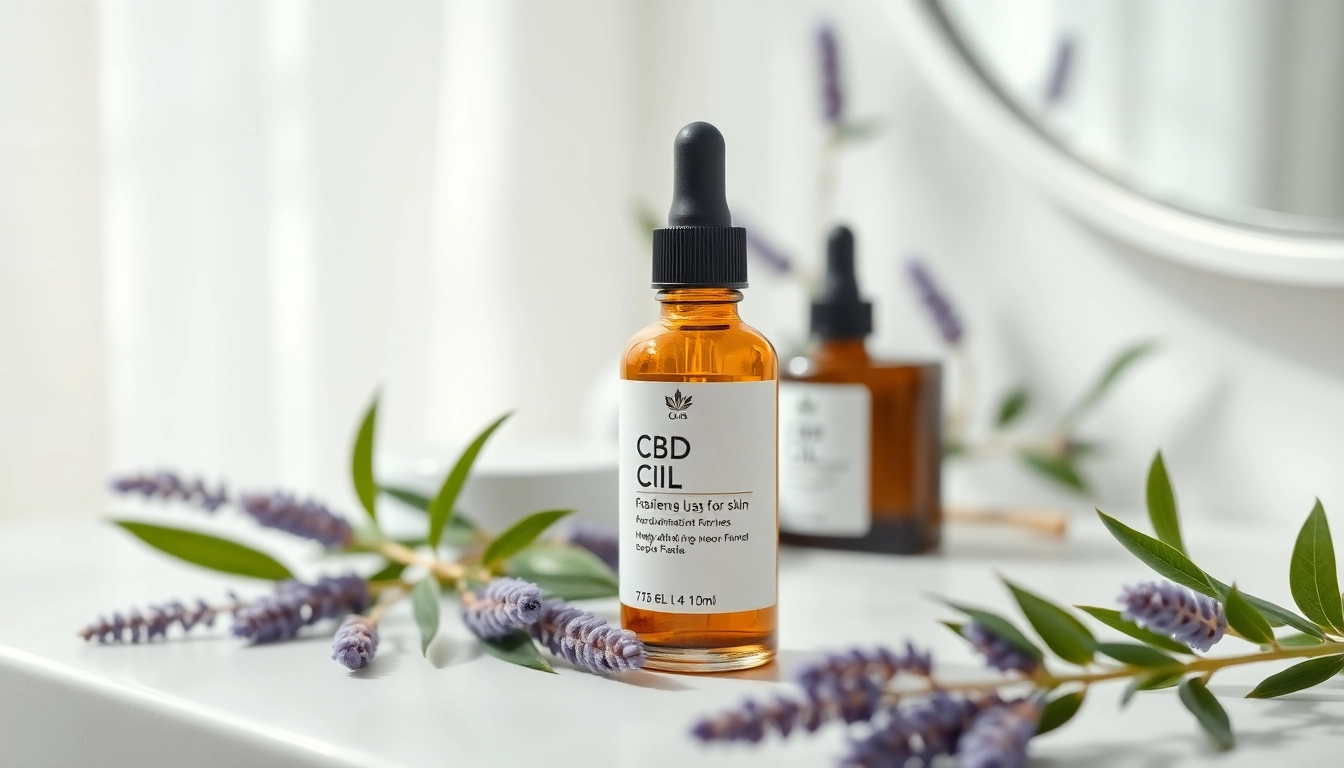
Understanding CBD Oil for Skin
What is CBD Oil and How Does it Work?
CBD oil, derived from the cannabis plant, is a product that has gained significant popularity due to its potential therapeutic properties. Unlike THC, the psychoactive component of cannabis, CBD does not produce any intoxicating effects, making it a desirable option for those seeking the benefits of cannabis without the high. CBD interacts with the body’s endocannabinoid system (ECS), which plays a critical role in regulating various physiological processes, including pain sensation, mood, and immune response. This interaction allows CBD oil to potentially influence skin health by addressing inflammation, hydration, and overall skin barrier functionality. For a deeper exploration of the benefits of CBD oil for skin, consider visiting CBD oil for skin.
The Science Behind CBD Oil for Skin
The efficacy of CBD oil for skin can be explained through scientific research that highlights its anti-inflammatory and antioxidant properties. Studies have demonstrated that CBD can inhibit the production of inflammatory cytokines, managing conditions such as acne, eczema, and psoriasis. The antioxidants present in CBD oil also combat free radicals, which are known to contribute to aging and skin damage. By promoting cellular health and reducing oxidative stress, CBD oil supports the skin's natural ability to heal and regenerate.
Potential Skin Benefits of CBD Oil
Numerous skin benefits have been associated with the use of CBD oil. From enhancing hydration levels to mitigating the symptoms of various skin conditions, CBD oil shows promise as an effective skincare ingredient. Its ability to regulate sebum production makes it particularly beneficial for those prone to acne, while its soothing properties can alleviate itching and inflammation associated with dry or sensitive skin.
Benefits of CBD Oil for Skin
Anti-inflammatory Properties
One of the most significant benefits of CBD oil is its anti-inflammatory properties. Inflammation is a common underlying factor in many skin disorders, from acne to eczema. The application of CBD oil can help reduce redness and swelling, soothing irritated skin. A multitude of studies supports the claim that CBD effectively lowers inflammation by blocking the receptors involved in the inflammatory response and minimizing the production of inflammatory substances.
Hydration and Moisture Retention
Another crucial benefit of CBD oil for skin is its ability to enhance hydration and moisture retention. The skin barrier is essential for maintaining skin health, and when compromised, it can lead to dryness, irritation, and conditions such as dermatitis. CBD oil contains fatty acids that enhance the skin’s lipid barrier; these fatty acids not only provide hydration but also protect against environmental stressors. The hydrating effects of CBD oil can improve overall skin texture, leaving it feeling softer and more supple.
Acne Treatment and Prevention
Acne is often the result of excessive oil production, clogged pores, and inflammation. CBD oil has been shown to regulate oil production due to its effect on sebocyte activity, which makes it a powerful ally for those struggling with acne. Additionally, its anti-inflammatory properties help reduce the redness and swelling associated with breakouts. Furthermore, CBD’s antibacterial properties may help fight acne-causing bacteria, making it an effective treatment option.
How to Use CBD Oil for Skin
Application Techniques for Maximum Benefit
To reap the full benefits of CBD oil for skin, application techniques are essential. Start with a clean face; this allows the oil to penetrate effectively. Use a dropper to apply a few drops of CBD oil directly to your skin or mix it into your favorite moisturizer for a more even distribution. Gently massage the oil into your skin using upward circular motions to promote absorption and enhance blood circulation.
Combining CBD Oil with Other Skincare Products
While CBD oil can be used on its own, it pairs well with other skincare products. For an enriched application, consider combining CBD oil with serums or creams that contain complementary ingredients like hyaluronic acid or vitamin C. This can enhance hydration, brighten the skin, and deliver additional nutrients effectively. Always perform a patch test when mixing products to ensure compatibility with your skin.
Dosage Guidelines for Topical Use
When using CBD oil topically, it’s essential to find the right dosage for your skin type and needs. Start with a low dosage—around 2-3 drops—and observe how your skin reacts over several days. You can gradually increase the amount if you feel comfortable and do not experience any adverse effects. It’s important to note that individual responses may vary, so personalization is key.
Choosing the Right CBD Oil for Skin
What to Look for in CBD Oil Products
When selecting CBD oil for skin, it's vital to consider several factors to ensure quality and efficacy. Look for products that provide third-party lab results to verify quality and potency. Additionally, prioritize full-spectrum or broad-spectrum oils that preserve the natural compounds found in hemp, enhancing the potential benefit via the entourage effect. Transparency in sourcing, manufacturing processes, and ingredient integrity should also be prioritized.
Sustainability and Quality Considerations
Sustainability is increasingly important in product selection. Opt for CBD oils derived from organically grown hemp to avoid pesticides and harmful chemicals. Additionally, brands that emphasize ethical sourcing and environmentally friendly practices ensure that you are not only benefiting your skin but also supporting planet health. Quality matters; thus, selecting reputable brands with positive reviews can help you avoid low-quality products.
Reading Labels: Full-Spectrum vs. Broad-Spectrum CBD
The difference between full-spectrum and broad-spectrum CBD can influence the effectiveness of products. Full-spectrum CBD contains all the cannabinoids, including trace amounts of THC, while broad-spectrum CBD includes multiple cannabinoids without THC. Full-spectrum may offer enhanced benefits due to the entourage effect, whereas broad-spectrum is ideal for those who prefer to avoid THC completely. Understanding these differences will guide you in making the best choice for your skincare routine.
Potential Side Effects and Considerations
Understanding Skin Sensitivity to CBD Oil
While CBD oil is generally considered safe, some individuals may have sensitivities. It’s essential to monitor your skin for any signs of irritation, redness, or allergic reactions, especially during initial use. If you experience any adverse effects, discontinue use and consult with a healthcare professional. Choosing high-quality products with minimal ingredients can help reduce the likelihood of sensitivity.
When to Consult a Healthcare Professional
Consulting a healthcare professional before starting any new skincare regimen, particularly if you have pre-existing skin conditions or are pregnant or nursing, is crucial. A dermatologist can provide personalized advice based on your skin type, concerns, and any underlying health issues. Additionally, they can assess the suitability of CBD oil in combination with current treatments or medications you may be using.
Long-Term Use and Best Practices
For best results, consistency is key. Incorporating CBD oil into your daily skincare routine can yield more pronounced benefits over time. However, it’s wise to periodically evaluate your skin’s response and adjust usage as needed. Pair your CBD oil application with a comprehensive skincare regimen. This includes cleansing, moisturizing, and sun protection, to maximize skin health and resilience.